Balena’s Breakthrough Year
Feb 17, 2026
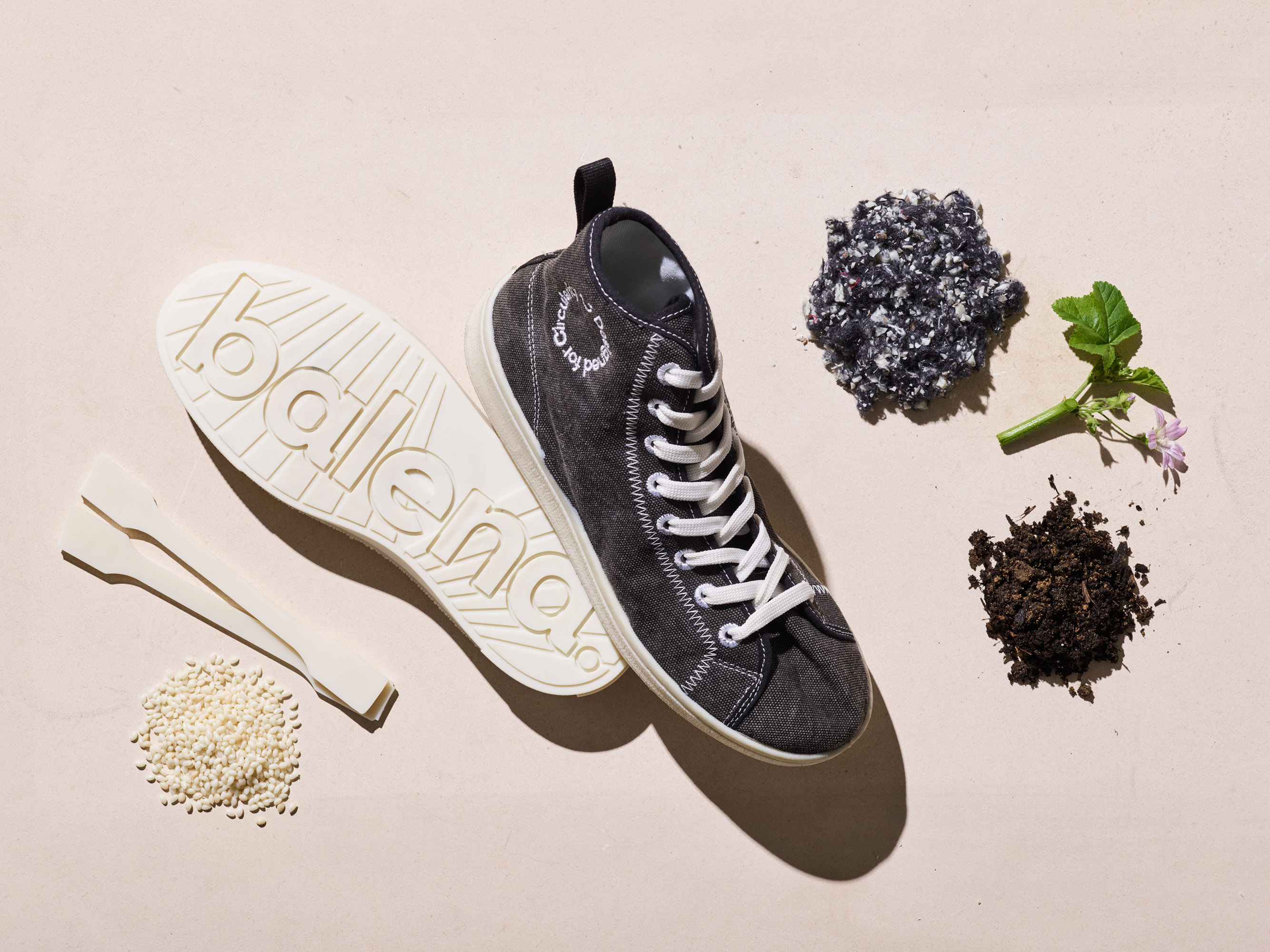
Five years ago, Balena was founded with an ambitious goal: to build the world’s leading high-performance bioplastics company for durable goods. Today, that vision feels closer than ever.
After years of R&D, pilots, and proof-of-concept collaborations, the past year marked a decisive shift from experimentation to real commercial traction.
The Raw Ventures team sat down with Balena’s CEO David Roubach to gain a first-hand perspective on the company’s breakthrough year and what lies ahead.
From Pilot to Product: A Commercial Inflection Point
“A year ago, we were still largely in pilot mode,” David reflects. “Now, we’ve moved into real commercial products that are selling well; and that’s one of our core KPIs.”
That transition, from developing materials to helping brands succeed in-market, represents Balena’s biggest recent breakthrough.
It was about demonstrating that high-performance bioplastics could compete commercially. Over the past year, Balena partnered with brands across footwear, fashion, consumer goods, 3D printing, and now even sports equipment.
Among the highlights:
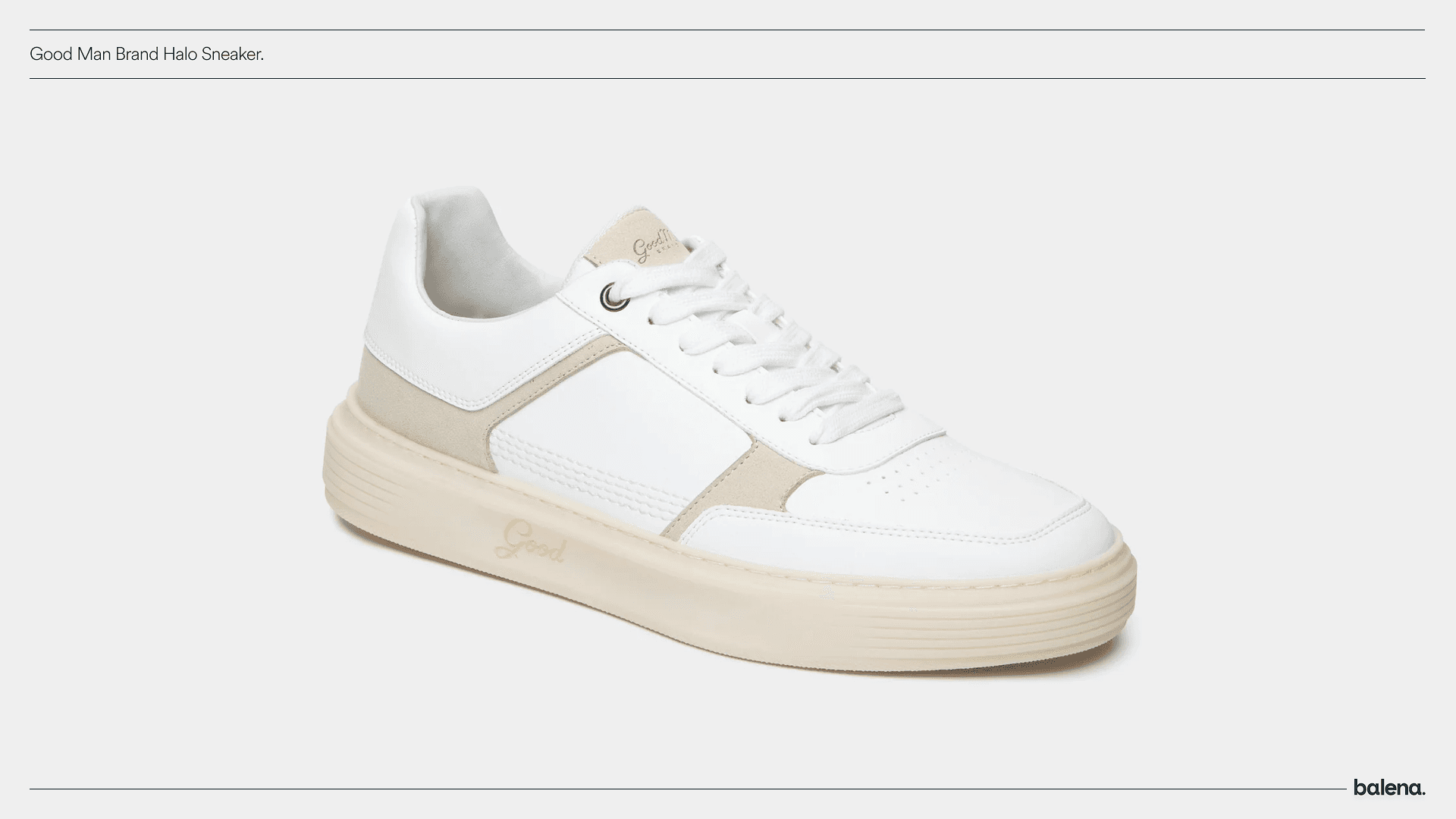
A commercial sneaker launch with a U.S. footwear brand Goodman
A 3D-printing filament collaboration with Recreus, now available globally, enabling designers and students worldwide to print with Balena’s materials independently

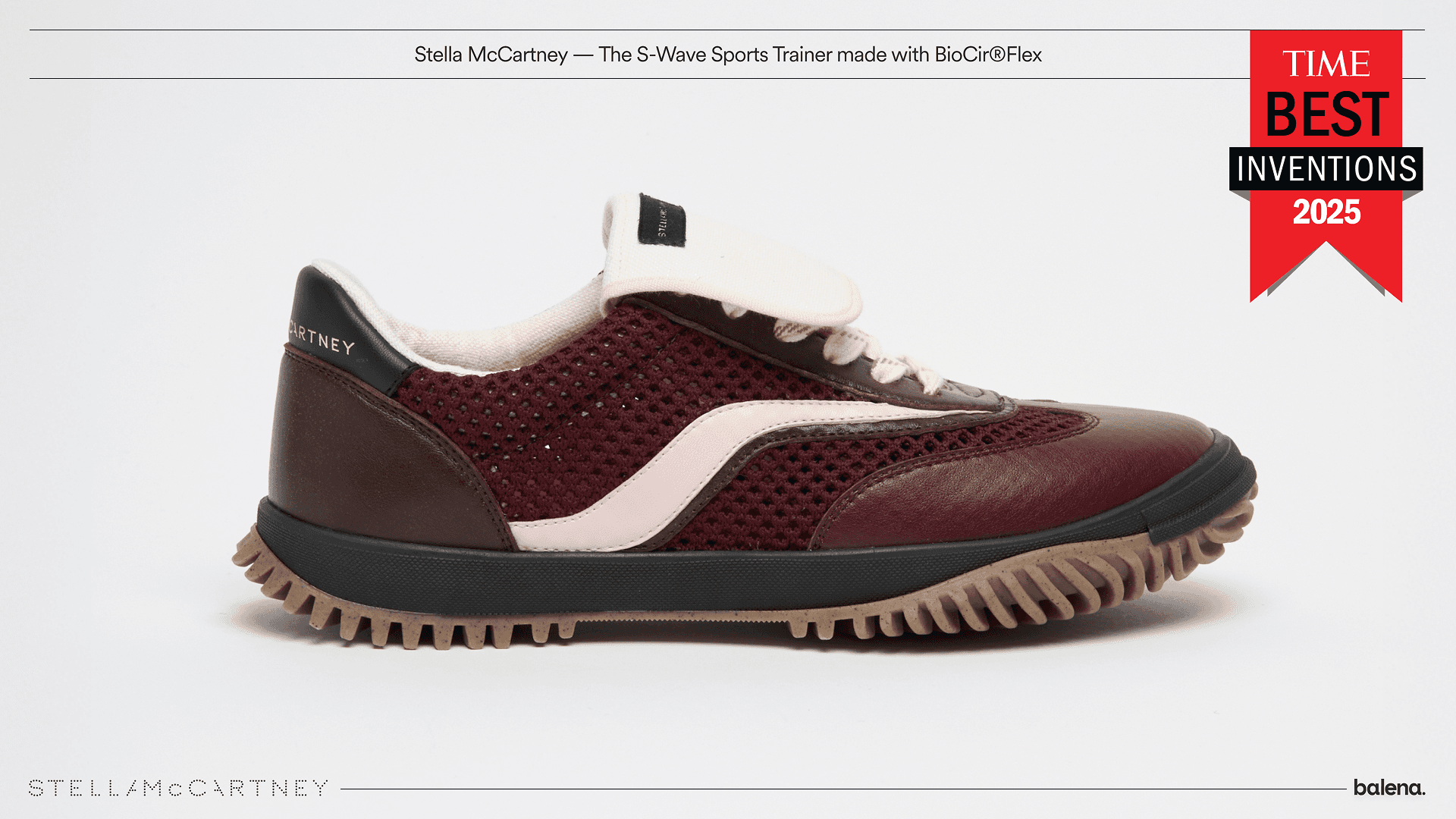
Stella McCartney’s S-Wave sneaker which has been named one of Times best inventions of 2025
A newly announced development with Decathlon Pulse for a bio-based frisbee, expanding into sports equipment
“What excites us most,” David says, “is seeing products actually selling online and performing well. We develop materials, but ultimately, our success depends on helping brands win.”
From Expectations to Market Insights
When Balena launched, the team believed biodegradability would be the main driver for adoption. The market, however, had other priorities.
“We thought biodegradability would be the key value proposition,” David admits “But we discovered that brands are often more focused on carbon footprint, non-toxicity, and health implications.”
Another early misconception? The complexity of sustainability itself.
“It’s much more complicated to claim sustainability than we expected. Certification, accountability, compliance, it’s expensive, time-consuming, and rigorous. That’s one reason large plastic companies move slowly in this direction.”
Navigating a Turbulent Biomaterials Landscape
The biomaterials industry has seen rapid innovation and significant headwinds. High-profile companies have struggled to scale, proving that great science doesn’t automatically translate into viable business.
Balena has taken a different path.
“From day one, we focused on scalability. We saw other companies build amazing materials, but scaling required huge capital expenditure and complex infrastructure.”
Balena chose a lean, capital-efficient model. Instead of building manufacturing facilities, they partner with existing manufacturers, plugging into established infrastructure.
“We are lean CapEx by design. That’s a strategic choice and we believe it’s one of the reasons we’ve remained resilient.”
Balancing Performance, Cost, and Impact
One of the biggest commercial tensions in sustainability today is clear: brands are expected to be sustainable, but rarely at a premium that disrupts margins.
Balena approaches this as a three-part equation:
Performance first: “No one compromises on performance.”
Affordability: The material must sit within a realistic price range.
Clear added value: Whether that’s sustainability, carbon footprint reduction, or non-toxicity.
“We always push performance as high as possible. If performance drops, nothing else matters.”
Interestingly, non-toxicity and health benefits have become increasingly compelling selling points.
“In the last year, we’ve seen brands more attracted to the non-toxic aspect. The material is the same, but the value proposition can shift depending on the brand.”
It’s a subtle but important evolution: sustainability alone doesn’t drive adoption. Health, safety, and regulatory positioning often do.
With greenwashing on the rise across the industry, it’s more important than ever for Balena to stay true to our core principles and deliver materials with the highest possible verified bio-based content, currently up to 85%.

Award-Winning Innovation with a Clear Purpose
Being featured in TIME’s Best Inventions of 2025 marked a defining moment for the company.
“It was an incredible compliment, for the team, for the past five years of work, and for everyone connected to Balena.”
The feature, connected to the Stella McCartney collaboration, reinforced that biomaterials are not a niche experiment.
“It’s possible to replace fossil-based, toxic plastics with non-toxic, bio-based plastics, in the products we wear and use every day.”
That clarity underpins every partnership and every product launch.
What Comes Next
The first five years proved something fundamental: new polymers could move from idea to reality.
The next phase is about building a durable, profitable business on top of that innovation.
“We’ve shown the materials work. Now the mission for the next two to three years is to build a successful, revenue-generating company around them.”
With commercial footwear, 3D printing, sports equipment, and new material categories such as foam in development, Balena is expanding beyond proof-of-concept into platform scale.
If the past year was about breakthroughs, the coming years are about momentum.
And for a company that began with a clear and bold vision, that momentum is just getting started.